Port Vila, Vanuatu – June 9, 2025
Let’s document this history.
Today we celebrate IPv6 Day — a global reminder of how far we’ve come in evolving the backbone of the internet. But for some of us, it’s more than a protocol upgrade. It’s personal. It’s memory. It’s mentorship.
When I saw Franck Martin’s post this week reflecting on the global state of IPv6 adoption, it immediately took me back to the early 2000s — to those vibrant, experimental days when we were working together in the Pacific.
Back in the day, Franck was based at SOPAC in Fiji, passionately working across the region, even though he was originally from France. But what defined Franck wasn’t where he came from — it was where his heart and mind were focused: the Pacific Islands and the potential of open-source technology to bridge digital divides.
We worked together on regional projects that ran on tools that were ahead of their time:
- Mandriva Linux
- MapServer
- TikiWiki
These were the tools of the open-source era — lean, fast, and community-driven. And Franck? He wasn’t just good — he was years ahead of everyone. Even then, he was the go-to person for IPv6 migration strategy. Long before it was trendy, Franck was preaching IPv6 with clarity and urgency.
He had a vision for a better internet — scalable, secure, and not limited by the constraints of IPv4. He understood the Pacific’s infrastructure challenges and always emphasized using open, sustainable tech that we could control and grow with.
Eventually, Franck took his skills to the global stage, joining LinkedIn and working on their email and internet infrastructure — likely Postfix and similar systems. But even now, two decades later, he’s still out there championing IPv6, as he did this week with his lighthearted but powerful reminder: IPv6 traffic drops during the workweek — proving that many workplaces still haven’t embraced it.
So, Happy IPv6 Day!
Whether you’re running dual stack, experimenting with IPv6-only networks, or just learning what it all means — today is a celebration of what’s possible when we think long-term. It’s about future-proofing the internet. And for me, it’s about remembering that the Pacific had its champions too — people like Franck Martin who believed in IPv6.
“Avoid complexity. Disable IPv4,” Franck commented this week. And just like that, the message still carries the same weight it did 20 years ago.
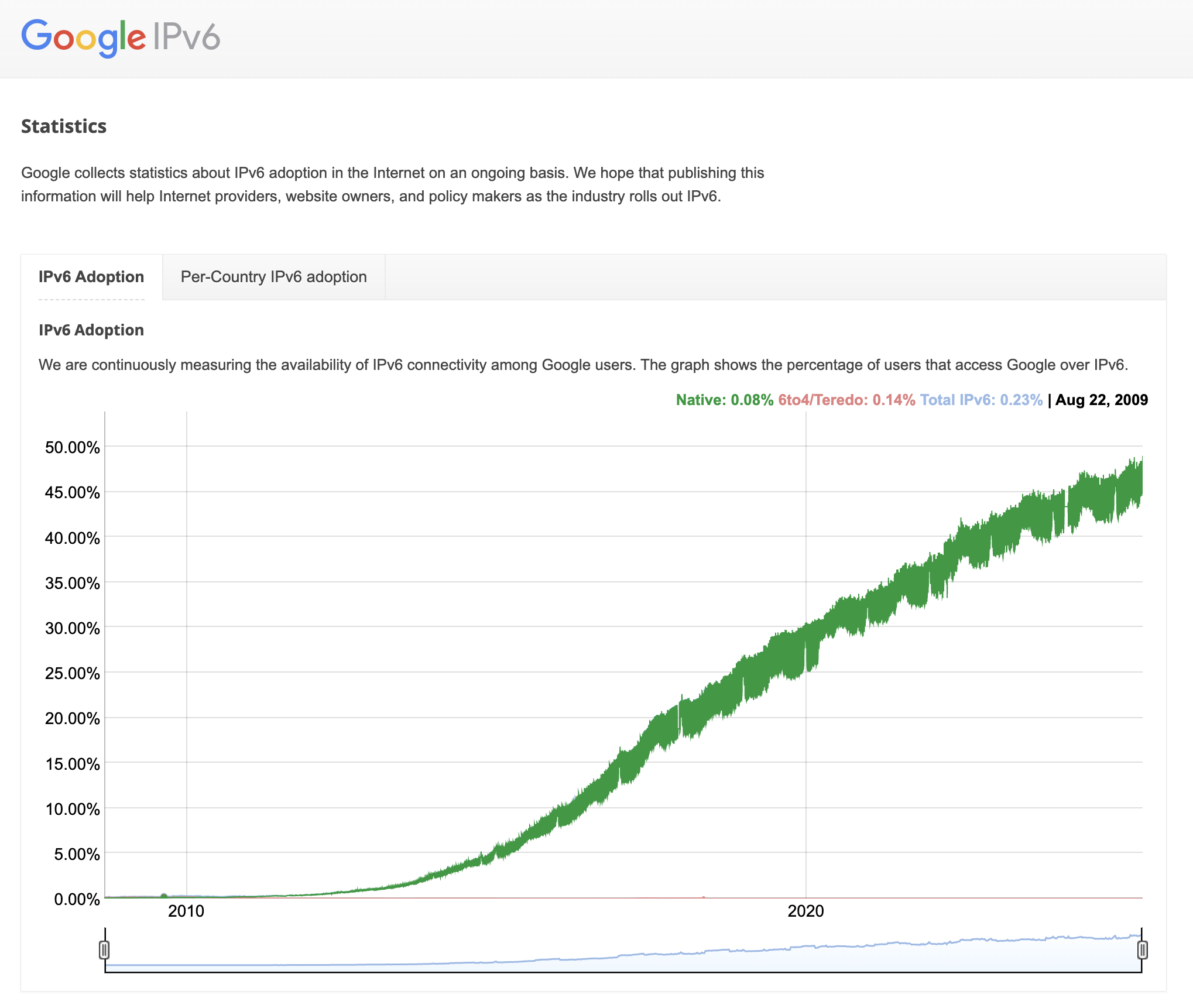
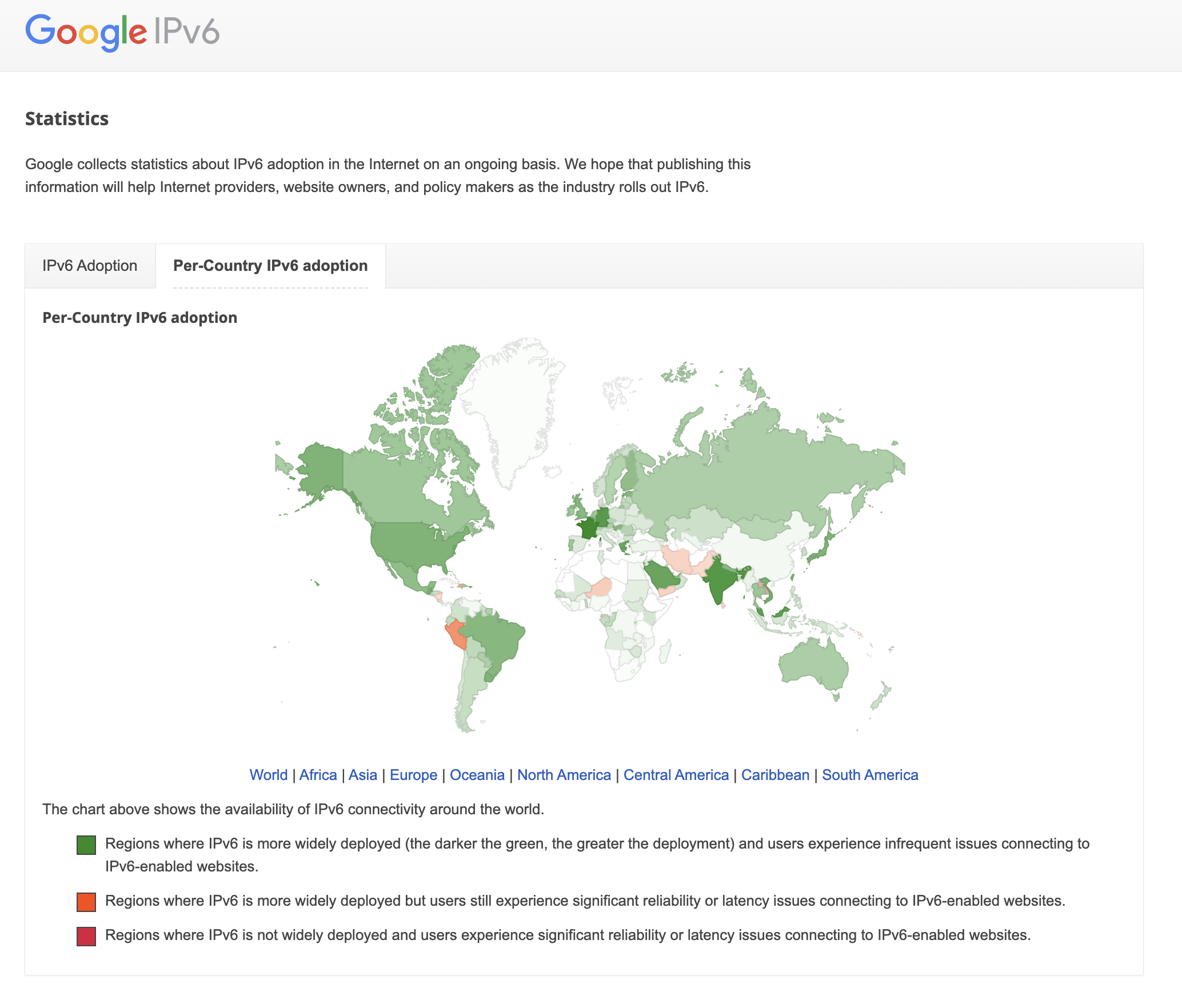
What Others Are Saying About IPv6 Day in Franck Martin’s Thread
Franck Martin’s LinkedIn post about IPv6 Day sparked a thoughtful and technically rich conversation. Here’s what people from across the internet engineering community had to say:
1. Business and Adoption Challenges
Mark Smith (Internet Engineer)
He emphasized that IPv6 lacks a compelling business case for many enterprises. Technology must either save or make money to justify adoption. He recalled that IPv4 replaced older protocols like IPX not because it was easier, but because it enabled email and the web—clear business drivers.
Aaron Brown (Senior Network Engineer)
With 17 years in healthcare, education, and legal networks, Aaron said he’s never seen IPv6 used in production. He believes NAT and subnetting still make IPv4 sustainable, and sees no urgent reason to switch—except perhaps in very large networks.
2. Strong Support for IPv6
Patrick “Jima” Laughton (IPv6 Expert)
Countered the skepticism. He’s worked with IPv6 for over 23 years and said it transformed his career. From his experience in large organizations with constant mergers, IPv4 struggles with address conflicts and complexity. He argues that IPv6 simplifies operations and eliminates renumbering headaches.
Christian Iwata Nilsson (SysAdmin and Developer)
Shared that his team migrated to an IPv6-only internal network, which drastically simplified their infrastructure—no NAT, no address collisions, and simpler DNS. He also noted that IPv6 itself isn’t more secure, but gives network designers better control and flexibility.
3. Infrastructure Limitations and Gaps
Jakob Åsell (CTO)
Criticized cloud giants like AWS and Microsoft for not offering full IPv6 support across services. He also pointed out that in Sweden, major ISPs like Telia don’t yet offer IPv6 to all consumers, possibly because they acquired a large pool of IPv4 addresses early on.
Christian Iwata Nilsson responded again, confirming that Telia is rolling out IPv6, but availability depends on local equipment. He also provided a link to APNIC’s stats for verification.
4. IPv6 in Space and Next-Gen Use
Scott Johnson (Internet Engineer, Spacely Packets)
Brought an unusual but relevant angle: space networking. For projects like LunaNet and other off-world internets, IPv6 is essential because of address space needs and local dynamic routing. IPv4 simply doesn’t scale in space environments.
5. Technical Clarity and Data Discussion
Dmitry Kohmanyuk (Systems Integration Engineer)
Asked Franck to clarify what “5 points of difference” meant in the original post. Franck replied that IPv6 traffic currently fluctuates between 43% and 48% according to Google’s public stats.
6. Humor and Lighthearted Banter
Some commenters injected humor and camaraderie into the thread.
- A few joked about being “anti-sixer” vs IPv6 warriors.
- Franck himself made witty remarks like “Disable IPv4” to promote simplicity.
- Marijana Novakovic shared alternate image options for the post, adding levity to the thread.
Final Thought
The conversation reflects the ongoing divide between IPv6 advocates and those holding onto IPv4 out of practicality or comfort. But it also shows clear technical leadership from individuals who have deployed IPv6 in real-world, large-scale systems—and who are still pushing for change.
 Mattdotvu
Leave a comment