In Vanuatu, if you do work for a government department — say, the Department of Lands — the process for getting paid starts with something called an LPO (Local Purchase Order). That LPO is a formal document approving payment for your service. Once created, it’s sent to the Department of Finance, where the actual payment is processed, either by issuing a government cheque or transferring money to your bank account.
But here’s the problem:
⚠️ The system is slow.
⚠️ Service providers are often left in the dark, not knowing when (or if) they’ll get paid.
💡 The Suggestion: Build an LPO Tracking App
Recently, someone made a suggestion that caught attention:
“Why doesn’t the Department of Finance create an app so we can track our LPOs? Just like tracking a parcel, we should be able to see when our LPO is received, processed, approved, and paid.”
It’s a great idea — and very doable. But it would require one key thing: a workflow system.
🔁 What’s a Workflow System?
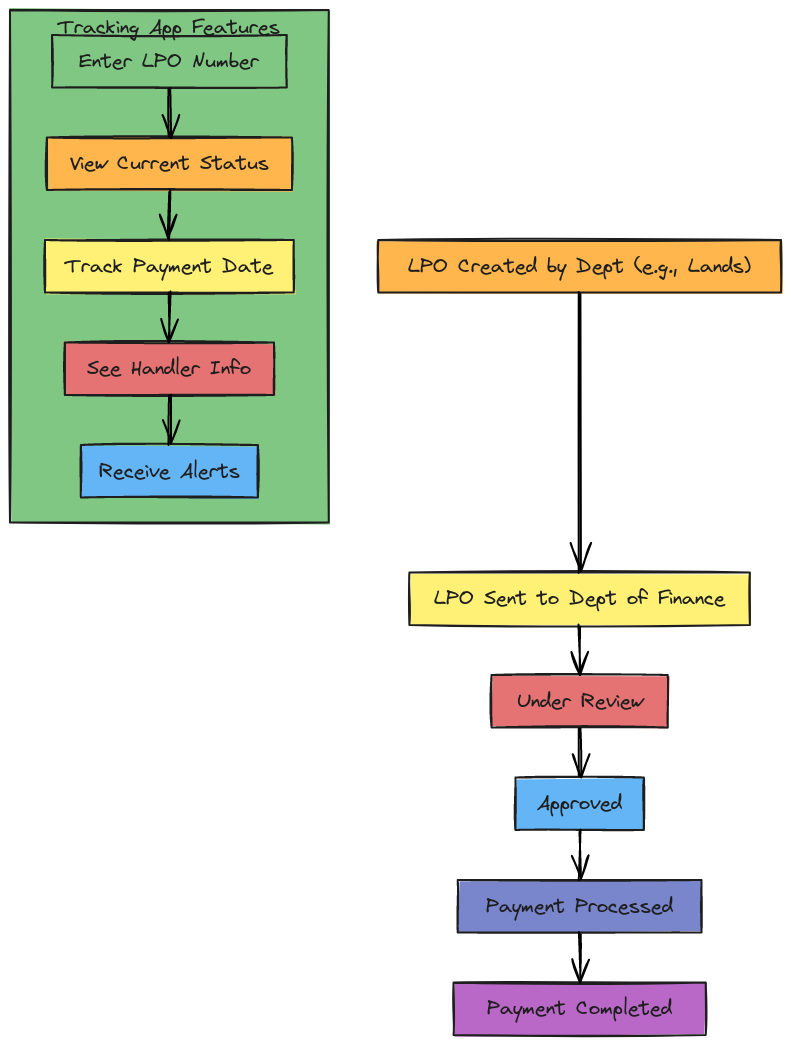
A workflow system means digitizing the payment process so that every step — from LPO creation to payment — is tracked and recorded automatically. For example:
- ✅LPO Created by the department
- 📤 Sent to Finance
- 🔍 Under Review
- 🟢 Approved
- 💳 Payment Processed
- ✔️ Payment Completed
With each of these steps clearly logged, a web or mobile app could allow service providers to:
- Enter their LPO number
- See the current status
- Track expected payment dates
- Know who is handling it
- Receive alerts for delays or issues
🔒 Transparency for Everyone
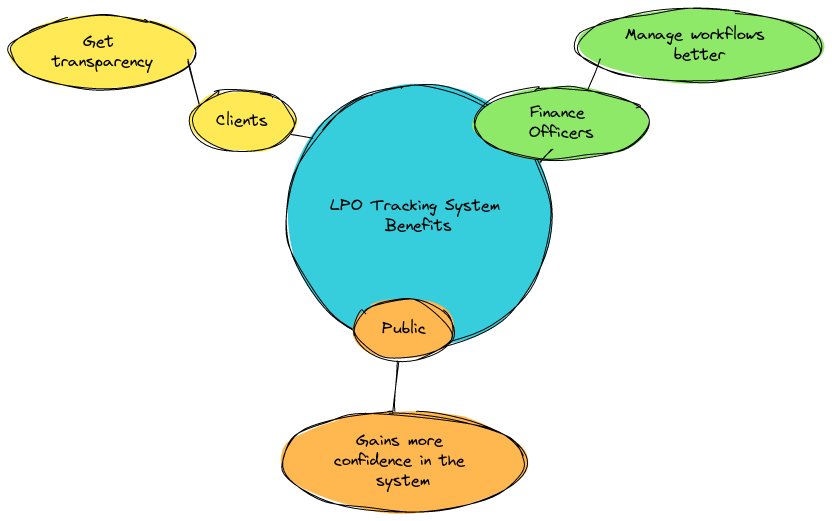
This system would not only help service providers, but also government departments who often face pressure from suppliers. It would reduce phone calls, missed follow-ups, and unnecessary confusion.
Everyone wins:
- 📱 Clients get transparency
- 🏢 Finance officers can manage workflows better
- 📊 The public gains more confidence in the system
🤔 Should the Government Build It?
Yes — and they don’t need to start from scratch.
Many countries already use Microsoft Power Automate, SharePoint, or custom web apps to manage similar workflows. For Vanuatu, this could be the next step toward smarter, more accountable public service.
Would you use an app like this if you worked with government?
The views and opinions expressed in this blog post are those of the author and do not necessarily reflect the official policy or position of any government department, agency, or organization. All information presented is for informational and discussion purposes only. While care has been taken to ensure accuracy, no guarantee is given that the details provided are current, complete, or reflect the actual operational procedures of the Vanuatu government. Readers are encouraged to seek official guidance or verification where required.
 Mattdotvu
Leave a comment